
Seth Borenstein | Associated Press
Person Page
-
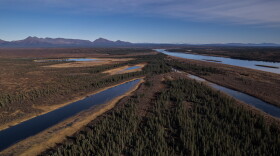 Alaska's North Slope tundra may look desolate, but crouch down and you'll see a lush jungle. It's just so small, it's almost all below your knee. Researchers are studying this Arctic region, which is warming four times faster than the rest of Earth.
 -
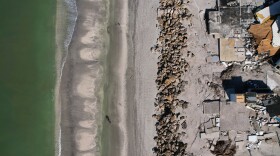 In Friday's study researchers look at 1,600 landfalling storms in 41 years, the rapid intensification of those cyclones and the damage they cause especially when they go over big, long-lasting ocean hot spots. Those that go over marine heat waves are 60% more likely to cause at least $1 billion in damage. Hurricanes Helene, Milton and Otis are good examples.
 -
 Top weather agencies warn that the world should get ready for several years of even more record-breaking heat that pushes the globe to more deadly, fiery and uncomfortable extremes.
 -
 Despite a record 46-day streak of triple digit feels-like temperatures, Miami’s unprecented brutal summer last year wasn’t that deadly, contrasting with the rest of the nation. This is how they did it.
 -
 Studies have shown that the strongest tropical cyclones are getting more intense because of climate change. So two climate scientists suggest that the traditional five-category scale developed more than 50 years ago may not do enough to show the true power of the most potent storms.
 -
 Two clashing climatic behemoths, El Niño and climate change, will square off this summer to determine how quiet or chaotic the Atlantic hurricane season will be.
 -
 The new director of the National Hurricane Center is a man with plenty of experience calling big storms. The National Oceanic and Atmospheric Administration announced Mike Brennan will take over immediately.


