-
 As costs continue to outpace wages and retirement incomes, some homeowners are making a high-stakes calculation to go without insurance altogether.
 -
 Researchers at the University of Miami Rosenstiel School found temperature data collected from wayfaring sharks helped improve short-term climate forecasts.
 -
 After Palm Beach County declines to add sand for the third year, the city plans to do it.
 -
 There’s no consensus on what’s driving Florida’s soaring insurance rates. A national report points to increasingly costly weather events — many of which are intensified by climate change — but some industry experts blame years of rampant litigation and soaring reinsurance costs.
 -
 Insurance is supposed to soften the blow when homes burn or flood. With some preparation, you can better your odds of a smoother recovery if disaster strikes.
 -
 Forecasters expect 8 to 14 storms will form in the Atlantic between June 1 and November 30. But the danger is more serious than the numbers suggest.
 -
 After raising $1.6 million, Church-by-the-Sea is on track to start the largest privately-funded living seawall project in Florida's history. It will use 3D printed designs to promote marine biodiversity, and is expected to attract enough oyster growth to filter one million gallons of water per day.
 -
 The Republican-controlled Legislature passed a bill that prohibits localities from implementing carbon reduction policies like net zero, carbon taxes and cap-and-trade programs.
 -
 As part of a working visit to the United States, the King and Queen of the Netherlands ended their first day in Miami at the University of Miami’s Rosenstiel School of Marine, Atmospheric and Earth Science to learn about climate-resilient infrastructure and environmental rehabilitation.
 -
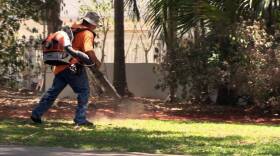 Key Biscayne passed an ordinance that banned the noisy lawn contraptions in 2018. Some municipalities looked at the island with envy, passing their own bans or planning to do so. Now, municipalities – sick of home rule being preempted by Tallahassee – are looking at work-arounds to stop — or at minimize – the impacts.
 -
 The state is looking at “living shorelines” such as mangrove forests, oyster reef restoration and hybrid options like 3D-printed walls that help fight climate change.
 -
 Seawalls are great at protecting property and people. A new nature-inspired seawall add-on is trying to make them better at protecting marine wildlife too.

© 2026 WLRN
Play Live Radio
Next Up:
0:00
0:00
Available On Air Stations


