-
 Delcy Rodriguez says her government has started a "political dialogue with opposition sectors" to secure a "process based on equal conditions for all."
 -
 According to Mike Waltz, the U.S. ambassador to the United Nations, he will have a casual "pull-aside" meeting with acting Venezuelan President Delcy Rodriguez.
 -
 In its first official visit to Venezuela in 18 years, Human Rights Watch said its representatives met with interim President Delcy Rodríguez, foreign diplomats, human rights organizations, journalists, and families of those currently incarcerated.
 -
 Chevron is the largest foreign oil operator in Venezuela. The deal will expand its footprint at a time of political and economic uncertainty for Venezuela.
 -
 As part of the deal, the U.S. is creating a private company as a joint venture with North American Blue Energy Partners, owned by Venezuelan businessman Alejandro Betancourt.
 -
 The Trump administration announced a deal Friday to develop a vast amount of Venezuela's oil reserves, with the U.S. taking a majority stake. Energy experts say there are many reasons to be skeptical.
 -
 What we know — and don't know — about Trump's deal giving US access to Venezuela's vast oil reservesBesides a social media post from President Donald Trump, the White House has said little about what he is calling “THE BIGGEST OIL DEAL IN WORLD HISTORY” in Venezuela.
 -
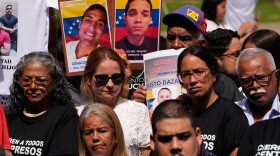 A Venezuela-based prisoners’ rights group, Foro Penal, is refuting the Venezuelan government’s claim of having released 131 political prisoners. They say only 73 have been released.
 -
 Alex Saab made his initial court appearance after being deported over the weekend by acting President Delcy Rodríguez as part of a purge of insider businessmen who are believed to have enriched themselves through corrupt dealings with Maduro.
 -
Venezuela says it deported a close ally of former President Maduro to face U.S. criminal proceedingsThe decision marks a stark reversal for Alex Saab, who Maduro fought tooth and nail to bring home after his previous international arrest in 2020.
-
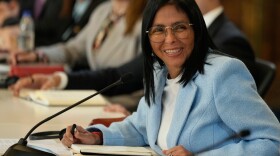 Venezuelan lawmakers have approved a bill to regulate mining as the country seeks to attract leery foreign investors to a once-private industry that has long been exploited by criminal groups with ties to the government.
 -
 Though the U.S. flag is now waving, the building is undergoing renovations and it remains unclear when it will fully reopen.

© 2026 WLRN
Play Live Radio
Next Up:
0:00
0:00
Available On Air Stations


