-
 President Javier Milei has brought down inflation in Argentina, but economic pain is giving his Peronist opponents a new opening ahead of the 2027 election.
 -
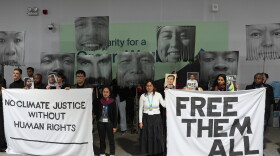 At least 124 land and environmental defenders were killed worldwide in 2025, with Latin America accounting for 85% of the deaths. That's according to a new Global Witness report. Colombia remained the deadliest country for the fourth consecutive year, while killings more than doubled in Brazil. Indigenous people and small-scale farmers were particularly at risk as armed groups, illicit economies and disputes over land and natural resources put pressure on communities defending their territories.
 -
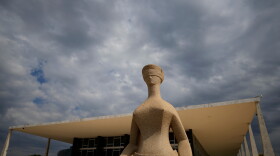 Brazil’s Supreme Court is in the throes of an unprecedented crisis. Sessions are being canceled. Justices are overruling each other’s decisions. And suspicions of graft, political bias and police interference loom over several of its members ahead of the country’s October presidential election.
 -
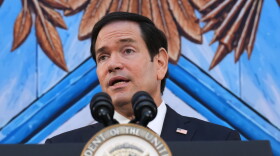 Secretary of State Marco Rubio is beginning a three-nation tour of Latin America. Starting Tuesday, he will visit U.S.-aligned conservative leaders as the Trump adminis
 -
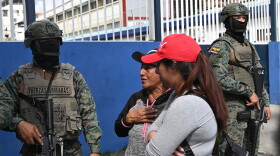 The U.S. Southern Command has sunk another Ecuadorian vessel that the U.S. alleged was linked to the criminal group Los Choneros.
 -
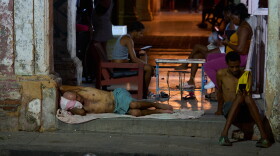 The U.S government has hit Cuba with new sanctions in a fresh push to strangle the island’s economy and deepen its multiple crises.
 -
 COMMENTARY Sending soldiers into the drug war is more performative than productive — and takes a heavier human toll than the law enforcement we should be promoting in Latin America does.
 -
 The Trump administration says it is seeking to expand its lethal campaign of bombing boats off Latin America's Caribbean and Pacific coasts onto land. The government has lined up regional allies to let the U.S. military operate within their borders.
 -
 A drought is exposing weaknesses in the government's ability to deliver water. It's begun rationing. In one building in the capital, 10 families have rearranged their lives around their faucets.
 -
 Marc Anthony, Chayanne and more to play benefit concert for Venezuela and Colombia earthquake reliefThe concert in Miami will be livestreamed on TelevisaUnivision platforms and iHeartLatino. Additional benefits are planned, including a concert by Venezuelan conductor Gustavo Dudamel in Los Angeles.
 -
 COMMENTARY Democratic Socialists will complain if right-wing President Trump tries to block their election in America — but they rarely if ever denounce left-wing election theft in Latin America.
 -
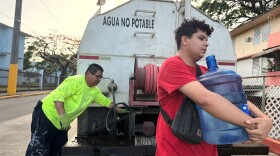 Puerto Rico will implement water rationing measures in San Juan and other major cities as a drought grips the U.S. territory with no relief in sight.

© 2026 WLRN
Play Live Radio
Next Up:
0:00
0:00
Available On Air Stations


