-
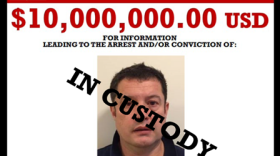 U.S. prosecutors allege Pulido and his partner created a network of shell companies to funnel bribes in exchange for state contracts in the South American country.
 -
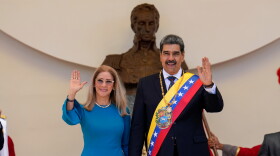 A new U.S. indictment charges former Venezuelan President Nicolás Maduro with torture and other crimes.
 -
 Alex Saab was deported to the U.S. in May and pleaded guilty to money laundering on Tuesday. He was charged in 2019 and arrested in Cape Verde during a refueling stop.
 -
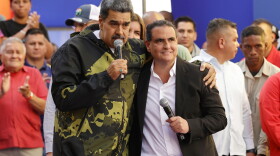 Alex Saab, a close ally of ousted Venezuelan President Nicolás Maduro, is expected to plead guilty Tuesday in a federal case. He is accused of bribing officials to win contracts to import food during widespread hardship in Venezuela. Saab was deported in May by Venezuela's acting President Delcy Rodriguez under U.S. pressure.
 -
 Former Venezuelan President Nicolás Maduro and his wife have asked a judge to dismiss the drug trafficking indictment against them on the grounds that they have immunity as the leader and first lady of a foreign country
 -
 Under the Trump administration's tacit oversight, Venezuela's authoritarian regime and democratic opposition start negotiations on Saturday in Caracas to hammer out agreements leading to new elections. But could the timeline last longer than Trump's presidency?
 -
 Maduro is now being held in a Brooklyn jail while being prosecuted on drug trafficking charges. A pretrial hearing is scheduled Wednesday. Maduro and his wife have pleaded not guilty to charges that they sided with drug dealers in a multi-decade scheme to ship large quantities of drugs to the United States.
 -
 Alex Saab made his initial court appearance after being deported over the weekend by acting President Delcy Rodríguez as part of a purge of insider businessmen who are believed to have enriched themselves through corrupt dealings with Maduro.
 -
Venezuela says it deported a close ally of former President Maduro to face U.S. criminal proceedingsThe decision marks a stark reversal for Alex Saab, who Maduro fought tooth and nail to bring home after his previous international arrest in 2020.
-
 A U.S. judge pressed the Trump administration Thursday about its basis for barring Venezuela's government from paying former President Nicolás Maduro's legal fees in the drug trafficking case that has put him behind bars in New York.
 -
 Former Venezuelan leader Nicolás Maduro heads to court again this week. The judge overseeing this case is longtime federal Judge Alvin Hellerstein. At 92 years old, Hellerstein is older than the average age of a federal judge by more than 20 years.
 -
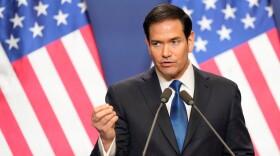 Secretary of State Marco Rubio will travel to the Caribbean country of St. Kitts and Nevis this week to reassert the Trump administration's interests in the Western Hemisphere just a month after the U.S. military operation that removed then-Venezuelan President Nicolás Maduro from power.

© 2026 WLRN
Play Live Radio
Next Up:
0:00
0:00
Available On Air Stations


