-
 Cuba's power blackouts have been stretching sometimes for days, so Cubans are planning their lives around the lights turning back on. Those small gasps of relief may be for just a few minutes or hours — and at any time of the day or night.
 -
 'Estamos conectados': New film documentary chronicles persecution and triumph of exiled Cuban artistThe Coral Gables Museum will present Luis Manuel Otero Alcántara: Estamos conectados, a documentary screening by Cuban filmmaker Ernesto Fundora Hernández highlighting the life, art, and political persecution of one of Cuba's most prominent dissident artists and musicians.
 -
 The decision will go into effect on Friday and represents a significant blow to Cuba's tourism industry, which has been struggling under new U.S. sanctions.
 -
 U.S. Rep.'s María Elvira Salazar, R-Miami, Mario Díaz-Balart R-Miami, Carlos A. Giménez, R-Miami, and Christopher H. Smith, R-New Jersey, sent a joint letter to top Trump Administration officials demanding immediate action against the Comercializadora de Servicios Médicos Cubanos.
 -
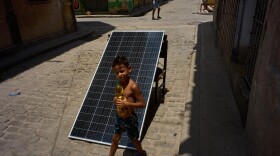 The blackout Monday was reported by Cuba's Electric Union, which said on X that the cause was under investigation.
 -
 Cuba's top diplomat to the United States says recent sanctions targeting the island's leadership and the indictment of former President Raúl Castro are a "pretext" for the Trump administration to persuade the American people to support a U.S. military intervention in Cuba.
 -
 Amid a deepening economic crisis and U.S. pressure, Cuba’s Deputy Foreign Affairs Minister, Josefina Vidal Ferreiro, strongly pushed back against Trump administration allegations that the island poses a national security threat to the United States.
 -
 Adys Lastres Morera, a Cuban national and lawful U.S. permanent resident living in Miami, was taken into custody this week by ICE agents because the government says she “poses a threat to the United States and undermines American foreign policy interests.”
 -
 The Supreme Court has ruled in favor of owners of Cuban property that was confiscated by Fidel Castro's government more than 65 years ago. By an 8-1 vote Thursday, the justices revived claims filed by a U.S. company, Havana Docks, that operated docks in the Cuban capital. The suit targets four cruise lines that brought tourists to Cuba during the brief thaw in relations during the Obama administration.
 -
 A top Cuban government official wrote on X that "#Cuba neither threatens nor desires war."
 -
 The officials involved in preliminary discussions with Cuban authorities also told The Associated Press that they are not optimistic the communist government will accept an offer for tens of millions of dollars in humanitarian aid.
 -
 Secretary of State Marco Rubio on Tuesday again blasted the Cuban government, labeling it a "failed state" run by "incompetent communists."

© 2026 WLRN
Play Live Radio
Next Up:
0:00
0:00
Available On Air Stations


