-
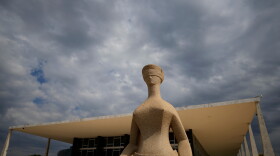 Brazil’s Supreme Court is in the throes of an unprecedented crisis. Sessions are being canceled. Justices are overruling each other’s decisions. And suspicions of graft, political bias and police interference loom over several of its members ahead of the country’s October presidential election.
 -
 Liexer De La Cruz had spent five years building a life in the United States after crossing almost a dozen countries by car, foot, bus and boat. But in early January, he was forced to choose between deporting himself or staying in the U.S. and risk deportation at any moment. He chose Cuba.
 -
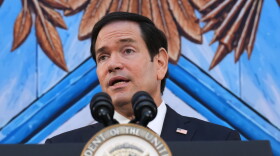 Secretary of State Marco Rubio is beginning a three-nation tour of Latin America. Starting Tuesday, he will visit U.S.-aligned conservative leaders as the Trump adminis
 -
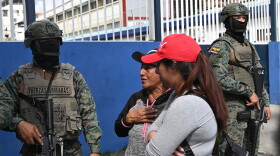 The U.S. Southern Command has sunk another Ecuadorian vessel that the U.S. alleged was linked to the criminal group Los Choneros.
 -
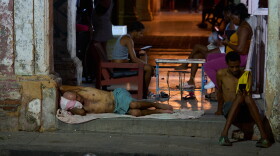 The U.S government has hit Cuba with new sanctions in a fresh push to strangle the island’s economy and deepen its multiple crises.
 -
 Former Venezuelan President Nicolás Maduro and his wife have asked a judge to dismiss the drug trafficking indictment against them on the grounds that they have immunity as the leader and first lady of a foreign country
 -
 A drought is exposing weaknesses in the government's ability to deliver water. It's begun rationing. In one building in the capital, 10 families have rearranged their lives around their faucets.
 -
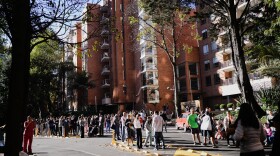 Colombia’s President Abelardo de la Espriella, who reported the death toll, said at least 87 people were injured and around 1,600 buildings were damaged, including at least 61 that completely collapsed.
 -
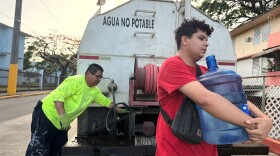 Puerto Rico will implement water rationing measures in San Juan and other major cities as a drought grips the U.S. territory with no relief in sight.
 -
 The State Department has offered a $25 million reward for information leading to the capture of Juan Carlos González, increasing pressure on the U.S. citizen who leads Mexico's most powerful cartel.
 -
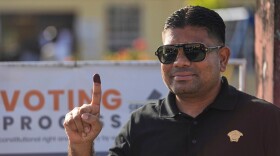 The Caribbean Court of Justice has ruled that a U.S. extradition process against Guyana’s main opposition leader and his father can resume after it was disrupted by a legal challenge from the two.
 -
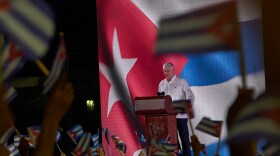 Cuba has held a traditional rally to commemorate one of the revolution’s most important anniversaries but former President Raúl Castro was conspicuously absent.

© 2026 WLRN
Play Live Radio
Next Up:
0:00
0:00
Available On Air Stations


