-
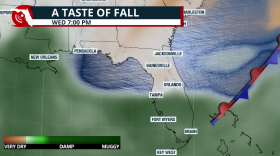 Some will get a taste of autumn this week. Are you ready?
 -
 José Delgado worked in agriculture, harvesting everything from tomatoes and squash to beans and sweet potatoes. Over time, working in Florida's heat took its toll.
 -
 Health alerts are in effect for several counties in Florida as officials monitor mosquito-borne illnesses after heavy rainfall.
 -
 When a heat wave arrives, the public health advice follows a familiar script: drink water, watch for heat stroke, check on people with heart or lung conditions. That list saves lives. But it leaves out something that shapes daily life for millions of older Americans – chronic pain.
 -
 In Florida, where the state has banned adoption of local laws intended to protect outdoor workers, the lack of federal rules leaves individuals particularly vulnerable.
 -
 It’s official: El Niño is back. By late fall 2026, forecast models give a 2-in-3 chance of a strong-to-very strong El Niño affecting the weather, climate and ocean temperatures across the planet. I’m a climate scientist who studies the oceans. With an El Niño expected to strengthen through the summer and fall, water temperatures will heat up even more. It’s time to start preparing.
 -
 In Friday's study researchers look at 1,600 landfalling storms in 41 years, the rapid intensification of those cyclones and the damage they cause especially when they go over big, long-lasting ocean hot spots. Those that go over marine heat waves are 60% more likely to cause at least $1 billion in damage. Hurricanes Helene, Milton and Otis are good examples.
 -
 February’s volatile weather patterns bring dramatic temperature swings across the Southeast, but particularly Florida. Digital meteorologist Leslie Hudson explains why this time of year remains one of winter’s most unpredictable transitions.
 -
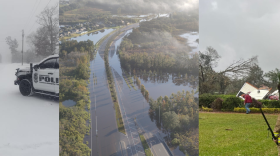 Florida’s 2025 weather was relatively subdued, with no hurricane landfalls and roughly half the usual number of severe weather reports.
 -
 The project — funded through the C40 Cool Cities Network’s Heat, Health, and Equity Challenge Fund — began recruiting residents in June, installed sensors in July, and will continue recording temperatures through October. Led by the city’s Office of Resilience and Sustainability (ORS), along with The Miami Foundation and other community-based organizations (CBOs), the effort seeks to close a long-standing “data gap.”
 -
 Heat killed 199 Americans in 2024. That is more than double the second leading cause of weather-related deaths in the United States, flooding, which killed 89 Americans in 2024. It´s important to know the symptoms.
 -
 This extreme heat comes as the federal government proposes to rollback vehicle pollution standards, and rescind a key scientific finding on greenhouse gases being a threat to public health.

© 2026 WLRN
Play Live Radio
Next Up:
0:00
0:00
Available On Air Stations


