
Nicolás Rivero | Florida Trib
Person Page
-
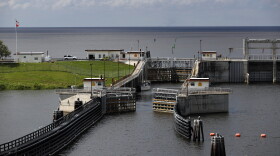 Florida’s water management districts depend on property taxes to fund about a third of their work preventing floods, securing the drinking water supply and conserving wetlands.
 -
 After a lifetime fishing on Lake Okeechobee, Justin Jones has gotten familiar with the herbicides state contractors spray on the water to kill invasive aquatic plants like hydrilla and water hyacinth.
 -
 Florida workers would remain without government oversight at any level if federal heat policies are watered down.
 -
 Sugar growers, ranchers, supermarkets, lobbyists, a fireworks distributor boost well-connected Wilton Simpson’s re-election bid.
 -
 Underwater archaeologists scour for and study artifacts found underwater because the state has lost half its landmass to sea level rise since humans started living here.
 -
 A recently proposed Miami-Dade County ordinance looked to offer heat-related protections for outdoor workers six months of the year. Now, changes to the proposal could mean workers receive those protections – for approximately five days a year.
 -
 Miami-Dade County’s Building Efficiency 305 program, which started last year, helps building managers save money and shrink their carbon footprint. Buildings account for 37% of the county's greenhouse gas emissions.
 -
 Reflective roof coatings, permeable pavements and heat-proof windows are among a host of new materials and equipment that can lower buildings’ cooling costs and reduce their carbon emissions.
 -
 Cool building designs can keep people more comfortable during record-breaking summer heatwaves. But they also promise to reduce the amount of electricity homes use for air conditioning while also reducing the carbon emissions that are raising global temperatures.
 -
 Could climate change cause the collapse of a critical ocean current that influences everything from sea levels in South Florida to monsoons in the Pacific and temperatures in Europe? A group of UM scientists wants to find that answer.
 -
 University of Miami scientists and volunteers are planting coral fragments off of Key Biscayne to research the genetic differences that might make them more heat tolerant, as coral reefs are threatened by high ocean temperatures.
 -
 Florida architects designing high-end houses for wealthy, climate-conscious buyers have started working cooling techniques that were once common into their contemporary designs.


