-
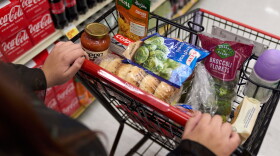 High error rates don’t bode well for people who rely on the food security program. But it could be good financial news for Florida, which may avoid having to pay a $1 billion penalty if it wants to continue to participate.
 -
 A federal grand jury in the Southern District of Florida returned an indictment charging the men for their roles in trafficking taxpayer-funded benefits across Miami-Dade and Broward counties from July 2019 through May 2026, prosecutors said in a statement.
 -
The number of Florida residents who receive federal food assistance dropped by 23% during the past year, state data published this month show.
-
 If Florida doesn't lower its SNAP error rates the state could have to pay as much as $1 billion. FDP Chair Nikki Fried says that might be by design.
 -
 Newly released data from the U.S. Department of Agriculture show that Florida has lowered its error rate for a federal food aid program to 12.97%, but that’s not enough to avoid a nearly $1 billion cost-share contribution next year.
 -
 With school ending soon, parents worry about feeding children through summer.
 -
 Florida's SNAP restrictions went into effect Monday. Here's what you can't buy.
 -
 Florida is one of 22 states with federal permission to implement nutrition-based restrictions on purchases with the Supplemental Nutrition Assistance Program (SNAP).
 -
Florida has a population of over 22 million residents, and more than 13 percent of those residents receive SNAP benefits monthly to buy groceries.
-
 The One Big Beautiful Bill Act imposed Medicaid work requirements on low-income, single, childless adults who qualify for the program through the Affordable Care Act, often referred to as Obamacare. The Florida Senate wants to go even further and on Monday passed legislation (SB 1758) putting work requirements on about 1,100 of the poorest people in the state who rely on the health care safety net program for their care.
 -
 In response to growing concerns over federal food assistance stability, the City of North Miami Beach will be distributing free food to local residents on Saturday, beginning at 10 a.m.
 -
 House Speaker Daniel Perez on Tuesday rolled out a far-reaching proposal to cut Medicaid and a low-cost state children’s health insurance program while tightening work requirements for people who rely on the state’s food-assistance program.

© 2026 WLRN
Play Live Radio
Next Up:
0:00
0:00
Available On Air Stations


