-
 A partial lunar eclipse will be visible across Florida late Thursday night into early Friday morning. At its peak, 96% of the Moon will be hidden by Earth's shadow.
 -
 Health alerts are in effect for several counties in Florida as officials monitor mosquito-borne illnesses after heavy rainfall.
 -
 African tropical waves can take their sweet time traveling toward the Americas. But, on average, how long?
 -
 Tropical Storm Cristobal formed Wednesday over the North Atlantic, but the cyclone is expected to dissipate by the end of the workweek.
 -
 Rounds of heavy rain will impact parts of Central and North Florida due to a potential tropical system. Mixed signals on where it could go and intensity.
 -
 Florida citrus production finished the 2025-26 season slightly above initial forecasts. Despite the output, production remains near historic lows.
 -
 A weak area of low pressure is meandering off the Southeast. Florida beaches could still see heightened surf and an increased risk of rip currents through the July 4th holiday.
 -
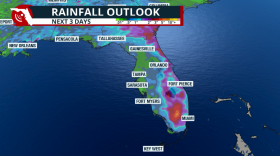 Days of rain across Florida as tropical moisture arrives and increases the flood threat.
 -
 Dry, breezy weather is helping to enhance pollen readings across the state with oak, juniper, pine and grasses being the top allergens.
 -
 Get ready to peel-off layers! We will bounce back to slightly above-average temperatures
 -
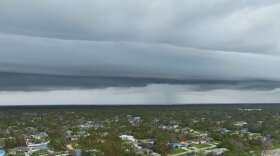 February’s volatile weather patterns bring dramatic temperature swings across the Southeast, but particularly Florida. Digital meteorologist Leslie Hudson explains why this time of year remains one of winter’s most unpredictable transitions.
 -
 Bone-dry air is in place across much of Florida, and another cold front will push through early Saturday, which will reinforce the cold and dry air. Winds will also be strong, which could make any fires that ignite become erratic.

© 2026 WLRN
Play Live Radio
Next Up:
0:00
0:00
Available On Air Stations


