-
 While most of the current discussion on improving AI for weather focuses on the models or new hardware, the data is crucial.
 -
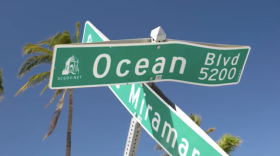 Landfall, direct hit, strike and indirect hit describe different relationships between a hurricane and a location — and the terms can overlap. Hurricane Milton shows why the path of the center is only one part of a storm’s story.
 -
 Colorado State University released their updated predictions for the 2026 hurricane season. However, they expect even fewer named storms compared to their last forecast in June.
 -
 For over a decade I’ve been researching how property markets adapt to the changing financial realities of climate change in Florida, the Netherlands and beyond. On this street, I saw a community slowly unraveling as climate shocks – and the subsequent market responses to them – have reshaped the cost of living.
 -
 As costs continue to outpace wages and retirement incomes, some homeowners are making a high-stakes calculation to go without insurance altogether.
 -
 In the fall of 2022, hurricanes Ian and Nicole struck Florida’s east coast within six weeks of one another, bringing intense rainfall, storm surges and coastal erosion. In the immediate aftermath, seagrass declined even further. But a few months later, in the spring of 2023, seagrass began to return.
 -
 In Friday's study researchers look at 1,600 landfalling storms in 41 years, the rapid intensification of those cyclones and the damage they cause especially when they go over big, long-lasting ocean hot spots. Those that go over marine heat waves are 60% more likely to cause at least $1 billion in damage. Hurricanes Helene, Milton and Otis are good examples.
 -
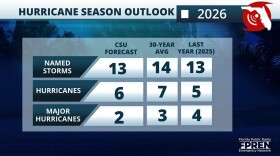 Colorado State University’s 2026 Atlantic hurricane season outlook calls for below-normal activity across the Atlantic basin due to a likely transition into an El Niño.
 -
 Mario Cristobal reflects on his time with Nick Saban at Alabama, recalling a memorable lesson about making tough decisions in football. Miami, which was snubbed by the College Football Playoff committee last year, is thrilled to be headed to Texas A&M for a playoff game this season.
 -
 Weather experts said they feared that if forecasts become less accurate, the public will lose faith in them — and the result will be that residents will be less likely to heed hurricane warnings and evacuate when their lives may be in danger.
 -
 After a hurricane passes, scientists routinely analyze the assorted computer models used to predict its path and power and crown a victor. This year, a surprising new contender has emerged — a forecast model generated by artificial intelligence.
 -
 Katrina wasn’t the first hurricane to hit the city, and won’t be the last. Here’s what’s different now.

© 2026 WLRN
Play Live Radio
Next Up:
0:00
0:00
Available On Air Stations


