-
 José Javier Rodríguez, the Democratic nominee for Florida Attorney, is calling for a "full investigation" into an internal report by the Department of Homeland Security that found inhumane detention practices at the now defunct Everglades migrant detention center known as Alligator Alcatraz.
 -
 The Frost School of Music at the University of Miami and the Latin Grammy Cultural Foundation are partnering for a scholarship program that helps promising young musicians earn their bachelor’s degrees.
 -
 A church-versus-church legal battle over a valuable property in downtown Miami is widening, with new court documents containing blistering allegations of fraud and conspiracy allegedly engineered by Crossbridge Church’s lead pastor, Rev. Carter Brown.
 -
 Alex Saab was deported to the U.S. in May and pleaded guilty to money laundering on Tuesday. He was charged in 2019 and arrested in Cape Verde during a refueling stop.
 -
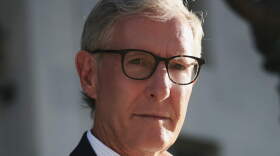 Weaver joined WLRN's South Florida Roundup host Tim Padgett on Friday to talk about his career and the latest layoffs at the Herald and El Nuevo Herald.
 -
 More than 30 journalist jobs eliminated at Miami Herald, El Nuevo Herald by parent company McClatchyThe McClatchy newspaper chain has made significant layoffs at The Miami Herald and other papers, cutting over 90 unionized journalists across 17 publications. This accounts for about 30 percent of McClatchy's unionized workforce.
 -
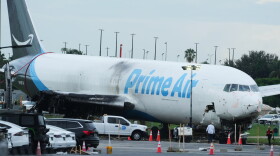 Amazon said Sunday it's decided to pause operations with 21 Air as the investigation into the crash continues
 -
 Gina Montét may be opening her newest play in Boca Raton, but “Baker Street Beginnings” grew out of her work and people she met in Miami-Dade County. Theatre Lab premieres the play on Saturday, Sept. 5 at Florida Atlantic University
 -
 El Fresco Art Space, the independent gallery and creative hub for local contemporary and urban artists, has moved into the historic Optica Lopez building on Calle Ocho.
 -
Experts say the plane appeared to remain airborne well down the runway before landing. The crash halted flights at the airport, causing widespread delays and cancellations.
-
 The plane overran a runway at Miami International Airport on Sunday. Flights were paused at the busy travel hub. Plumes of black smoke poured from the plane.
 -
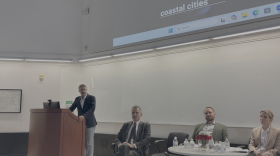 The University of Miami hosted the Embassy of Denmark for a panel on waterfront development. Both coastal areas are under threat from rising sea levels.

© 2026 WLRN
Play Live Radio
Next Up:
0:00
0:00
Available On Air Stations


