


NOAA
Forecasters expect 8 to 14 storms will form in the Atlantic between June 1 and November 30. But the danger is more serious than the numbers suggest.
Understanding hurricanes: What you need to know


Find your shelter, evacuation zones and additional emergency information in the county you live in:
What you need to prepare


Hurricane Coverage
-
 When natural disasters or emergencies displace South Floridians from their homes, Airbnb is offering free temporary shelter through nonprofit partnerships.
 -
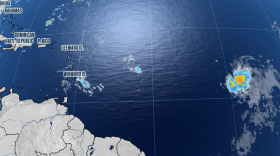 Tropical Storm Dolly formed in the central Atlantic on Thursday but is expected to weaken due to strong wind shear and dry air.
 -
 In an update Thursday, the National Oceanic and Atmospheric Administration said a strong El Niño will continue to help weaken storms.
 -
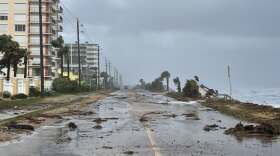 According to its August outlook, Colorado State University expects nine named storms, four hurricanes and one major hurricane to form in 2026.
 -
 As a warming planet generates more monster hurricanes that can rapidly intensify, researchers are whipping up winds and waves in a giant tank on Virginia Key to improve building designs and better forecasts.
 -
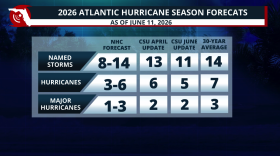 Colorado State lowers its 2026 Hurricane Season forecast due to a strong El Niño developing during the season. What does this mean?
 -
 In Florida, the forecast cone is only part of the story. Hurricane impacts can extend far beyond the center track — reaching inland through wind, flooding, and tornadoes.
 -
 Anyone who has been through a flood or hurricane knows the scene: waterlogged furniture piled on curbs, gutted homes with mold creeping up the walls, families displaced for months. But the recovery isn’t the same for everyone.
 -
 The National Oceanic and Atmospheric Administration said a looming El Niño weather pattern could help produce a below average season, but warned uncertainty about the forecast put the odds for a slow season at just 55%.
 -
 Insurance is supposed to soften the blow when homes burn or flood. With some preparation, you can better your odds of a smoother recovery if disaster strikes.


