-
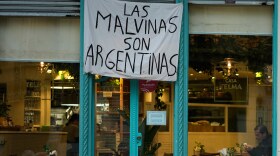 Argentina's World Cup players have sparked a cultural moment for the disputed Falkland Islands. After defeating Britain in the World Cup semifinals, Argentina's players displayed a banner that said, "the Malvinas are Argentine."
 -
 The 2026 World Cup has been a real moneymaker for FIFA. But what about the cities that hosted the tournament’s games? Spread across Canada, the United States and Mexico, 16 cities helped make the World Cup a financial success. Moreover, images of national fans from around the globe taking over Boston, Miami and Dallas provided a backdrop to the tournament.
 -
 The players and their coaching staff met with the country's royals, and Prime Minister Pedro Sánchez. An estimated crowd of almost 2 million was on hand to greet the squad through the streets of Madrid.
 -
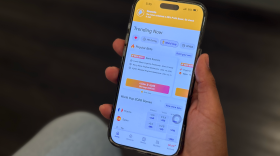 The World Cup brought the excitement and pride of international football to our backyard — and 104 games to place bets on. As sports fan culture increasingly relies on betting as a way to engage young people, and as new apps make it more accessible than ever, advocates worry about the long-lasting effects the World Cup could have in South Florida.
 -
 It's a World Cup semifinal lineup for the ages. Four previous champions and the four top-ranking teams in the world. Five of the six top scorers, one GOAT and one of the bitterest rivalries in soccer.
 -
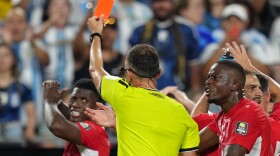 The sending off of Switzerland's Breel Embolo in Saturday's quarterfinal game against Argentina was the latest call that may have left fans scratching their heads, not least because of the confusing name of the newly implemented "mistaken identity" law that swung the match.
 -
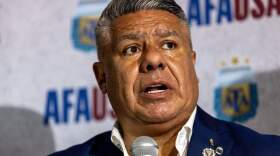 Citing sources close to the investigation, the Argentine daily newspaper, La Nación, and the Miami Herald each reported that U.S. federal investigators are examining the Argentine Football Association's Miami branch's transfers of more than $300 million through U.S. banks — and an accounting of how the money was spent.
 -
 Dressed in bright red and metal horned hats, Norwegians sat in the middle of Ocean Drive to chant their iconic ‘ro!’
 -
 In 1966, all of Africa's national soccer teams boycotted the World Cup after FIFA refused to give the continent a guaranteed spot in the tournament.
 -
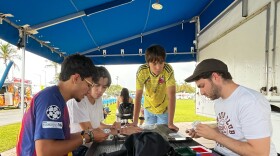 Even in this digital age, the decades-long tradition of collecting Panini stickers has managed to stick around as soccer fans gather and trade to find the missing piece in their collection.
 -
 Some of the greatest footballers of a generation played their final World Cup match this summer.
 -
 The chief economist of the Beer Institute has analyzed the data from the first two weeks of the World Cup and says that host cities have seen massive increases in beer sales both inside the stadiums and out.

© 2026 WLRN
Play Live Radio
Next Up:
0:00
0:00
Available On Air Stations


