-
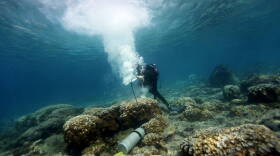 To understand how climate patterns are changing, we need to understand what happened during El Niño events in the past, but observations go back only a few decades. So, my colleagues and I went to the Galápagos Islands – at the heart of the El Niño pattern – to find answers from some of nature’s best record keepers: corals.
 -
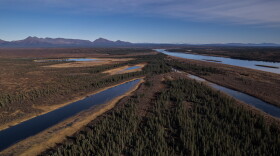 Alaska's North Slope tundra may look desolate, but crouch down and you'll see a lush jungle. It's just so small, it's almost all below your knee. Researchers are studying this Arctic region, which is warming four times faster than the rest of Earth.
 -
 How Florida is challenging climate change in textbooks, while quietly updating its science standardsPublishers acceded to state requests watering down information on climate change's impact, WUSF/Hechinger Report investigation finds. Now the state has turned to updating its science standards.
 -
 More schools in Miami-Dade are turning to fake grass to carpet their outdoor areas, usually because it can be cheaper than keeping up with watering and mowing.
 -
 Swaths of sargassum are blanketing the Caribbean and Gulf of Mexico, suffocating shorelines and snuffing out marine life while spooking visitors in areas that depend heavily on tourism.
 -
 The Florida Department of Transportation (FDOT) plans to build what it calls an “Aerial Highway Network” that includes places the futuristic aircraft can charge, take-off and land.
 -
 Century-old reports from South Florida’s founding botanists say that breadfruit would only thrive in the Caribbean and Hawaii, and possibly as far north as Key West. Now, as climate change pushes temperatures higher, that is starting to change.
 -
 Field researchers at the Coral Restoration Lab rushed from the ocean, carrying plastic crates filled with elkhorn corals. They join a wave of rescue missions on Florida’s coast that are removing corals from the sea, in hopes that they can give this vital form of marine life a fighting chance this blistering summer.
 -
 The U.S. Army Corps of Engineers and Florida finalized the deal Tuesday that allows the state to take control of completing a flow-way that moves more freshwater into Florida Bay.
 -
 More than a hundred students, parents and teachers are worried that the fake grass poses a health and environmental risk to students as temperatures continue to rise in South Florida.
 -
 As costs continue to outpace wages and retirement incomes, some homeowners are making a high-stakes calculation to go without insurance altogether.
 -
 Researchers at the University of Miami Rosenstiel School found temperature data collected from wayfaring sharks helped improve short-term climate forecasts.

© 2026 WLRN
Play Live Radio
Next Up:
0:00
0:00
Available On Air Stations


