

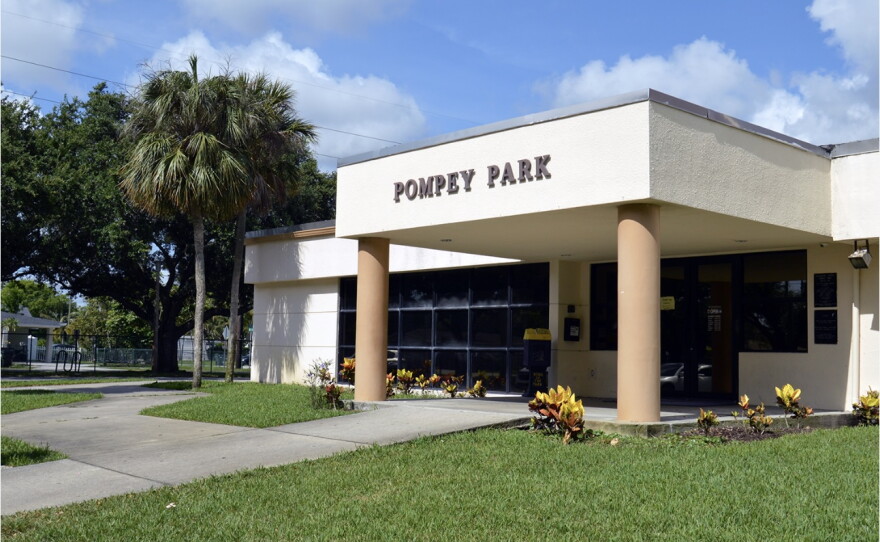
Pompey Park in Delray Beach was born during the Jim Crow era, when Black residents faced legal segregation and were barred from many public beaches, parks, and pools in Palm Beach County.
The park became a place to gather, play sports, and build community. Today, it’s still the anchor of the city’s historic Black neighborhood, known as The Set.
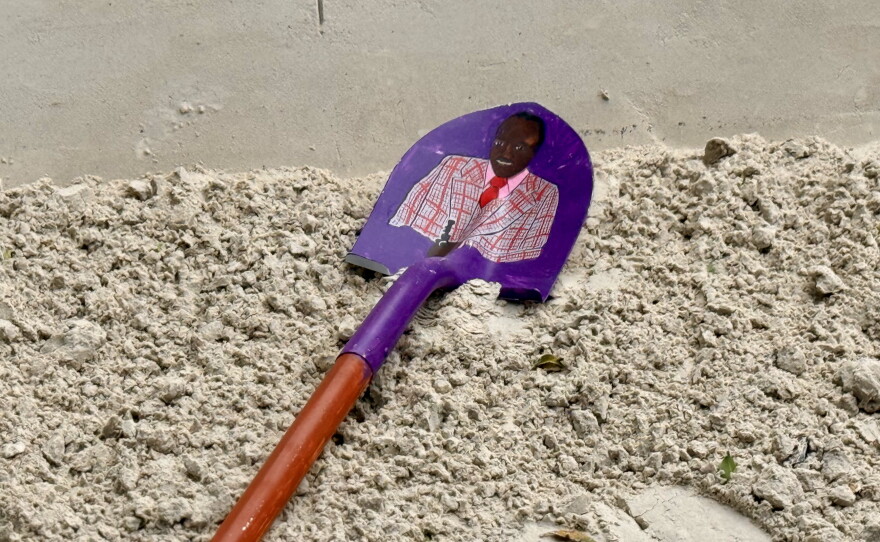
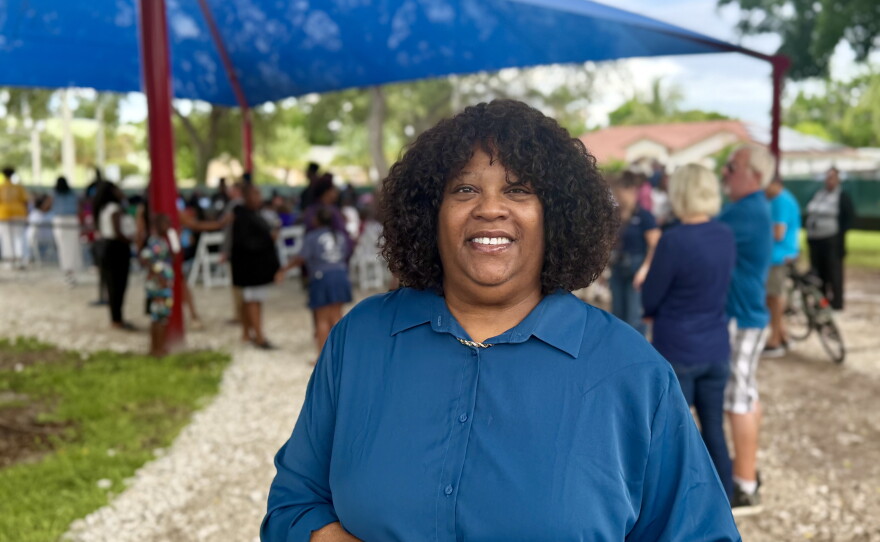
Today, following years of government and community debate on its future, city leaders are investing nearly $60 million to renovate and preserve “a tool that we have used in the community for over 50 years,” said Cheryl Pompey-Howard, the only child of the late educator and civil rights leader Charles Spencer Pompey. She is a 72-year-old retired registered nurse. The park is named after her father.
“This is where we socialized and had our relay races outside here in the park,” she told WLRN. “And the community would just come together for all kinds of social events, civic events, Girl Scout meetings, church activities, retirement parties. This was just kind of home for us, you know?”
"It was a safe haven."
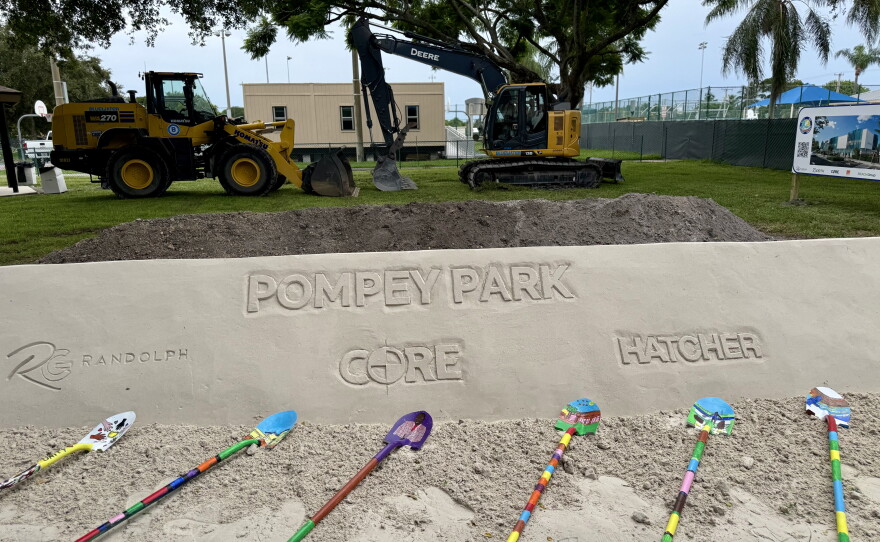
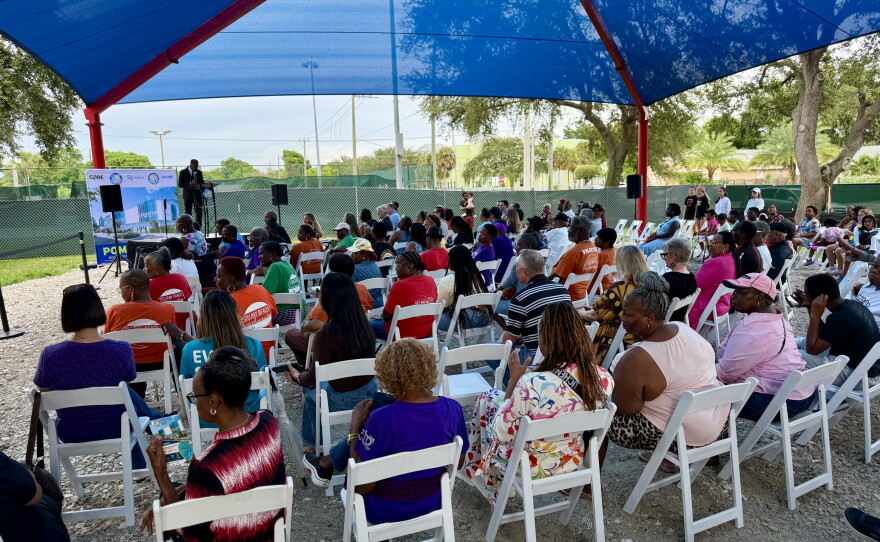
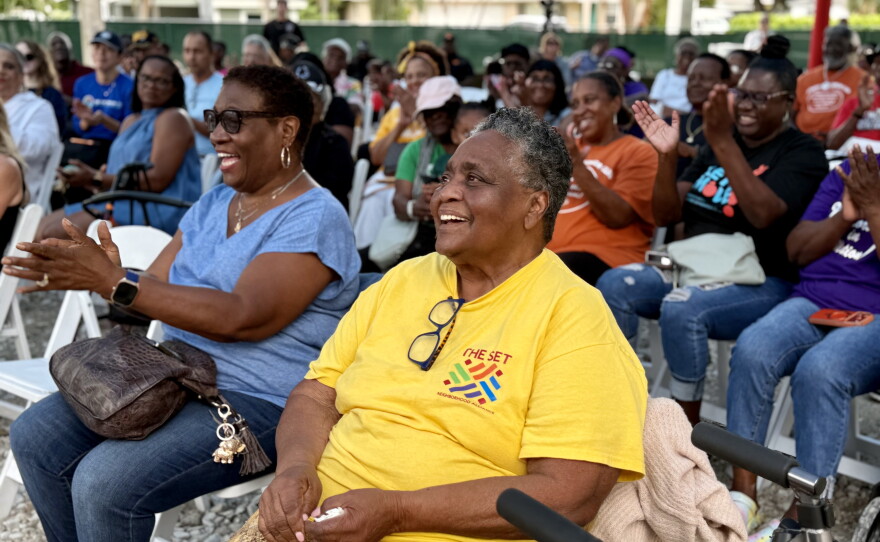
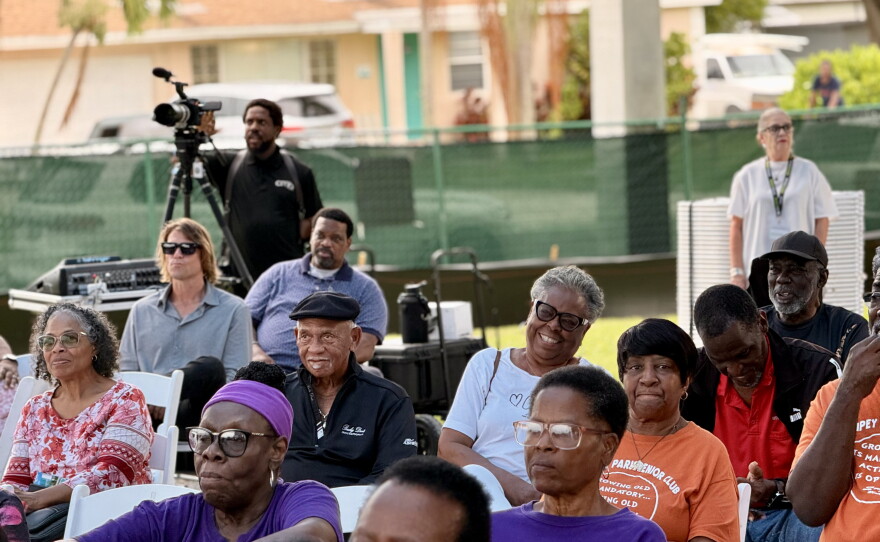
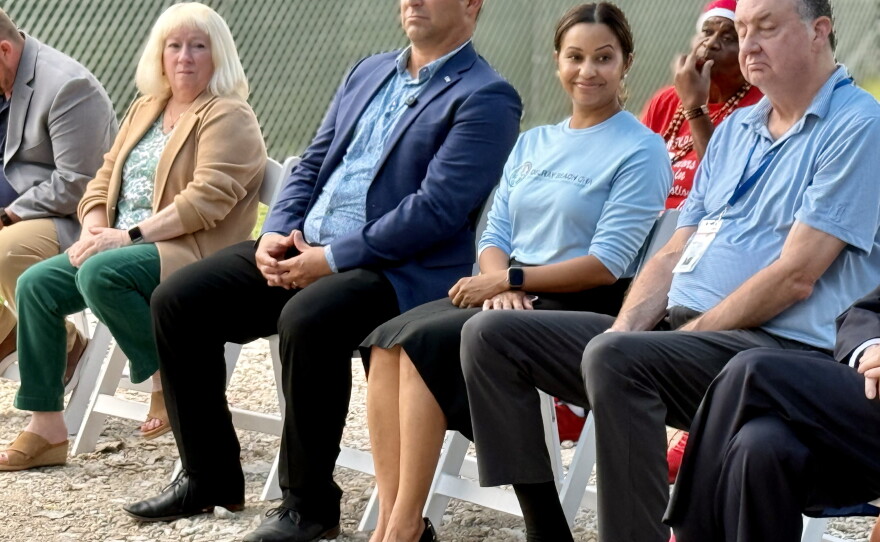
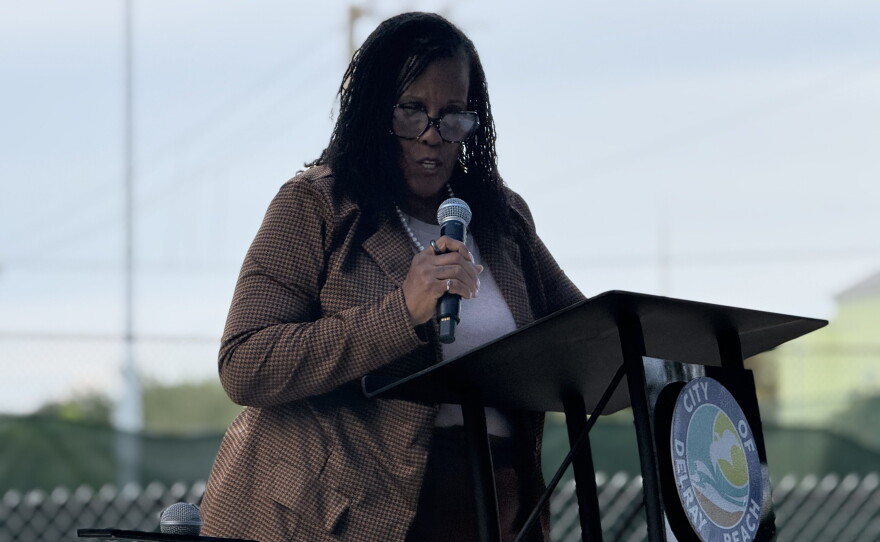
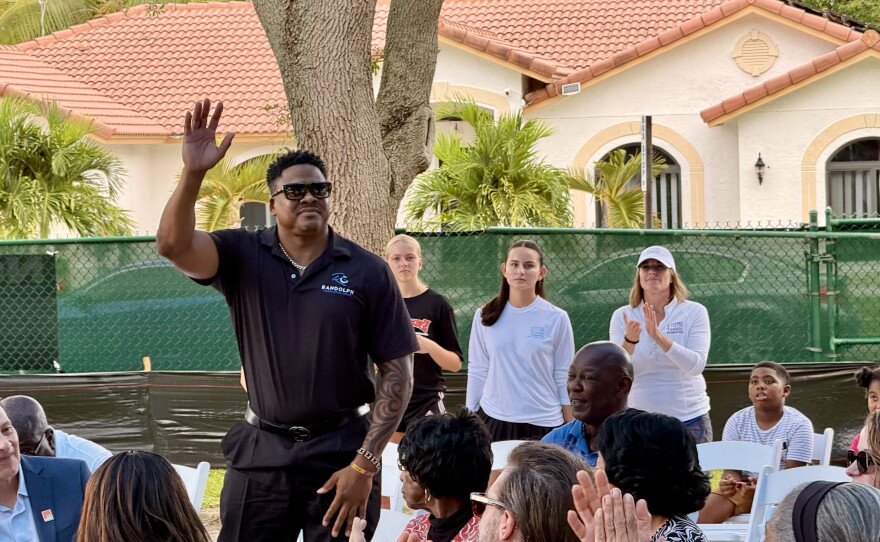
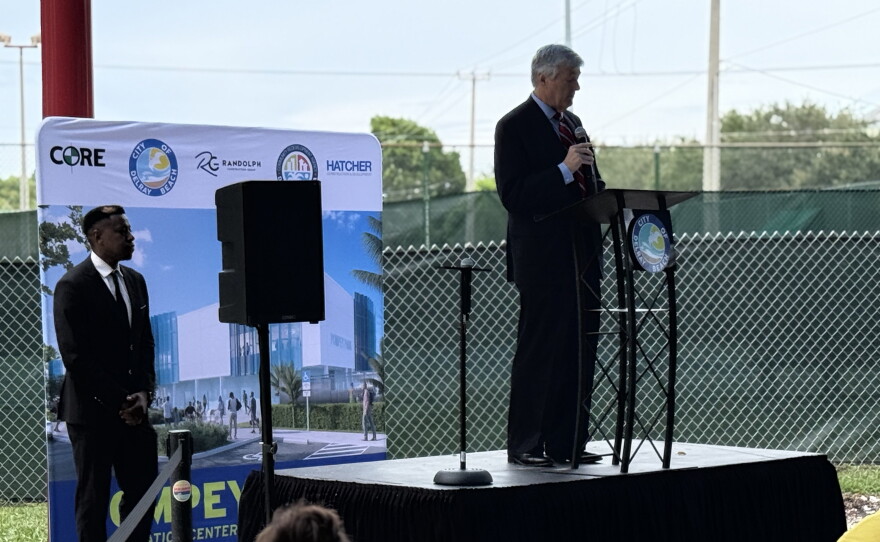
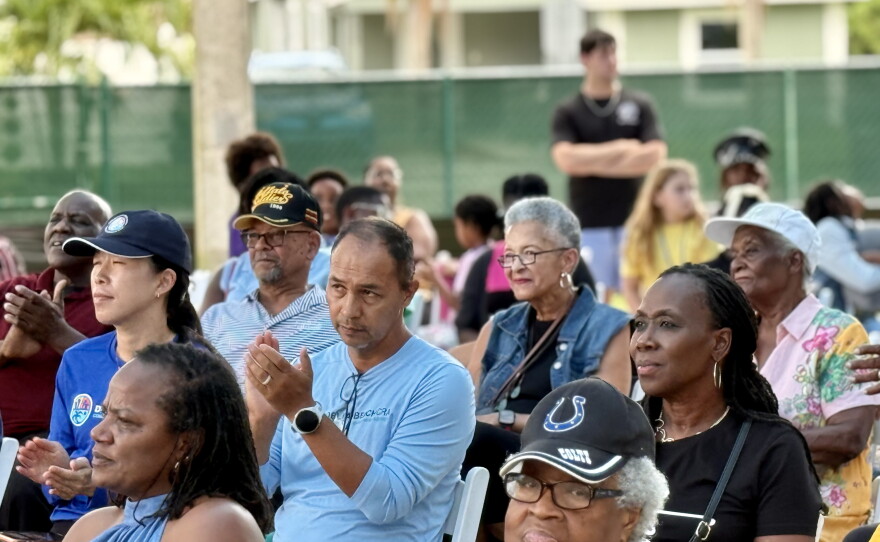
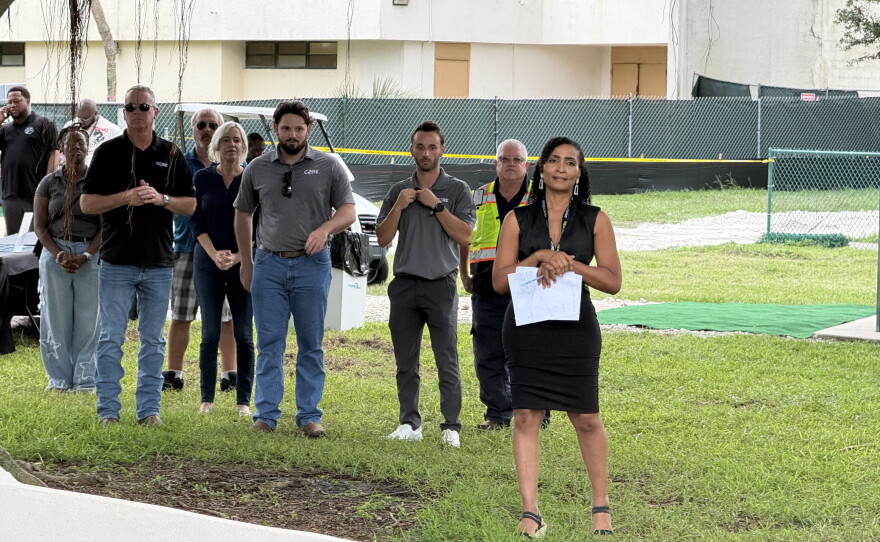
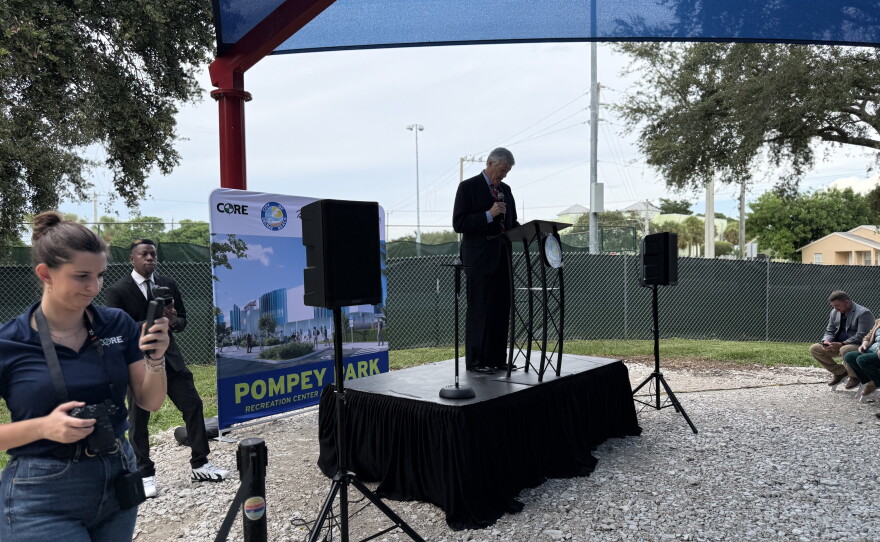
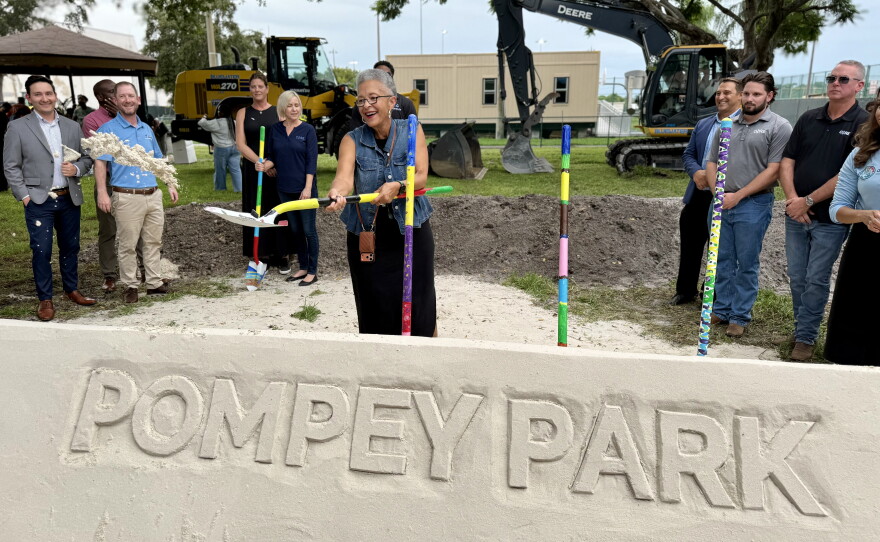
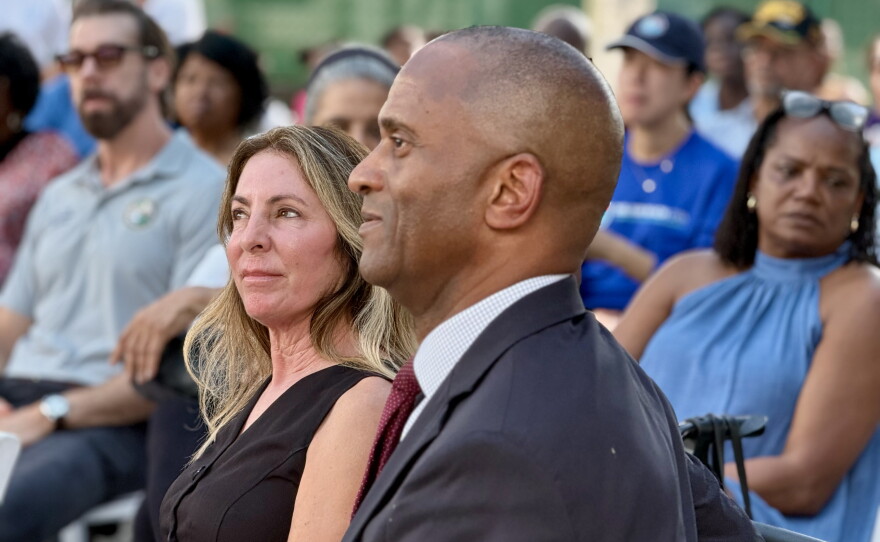
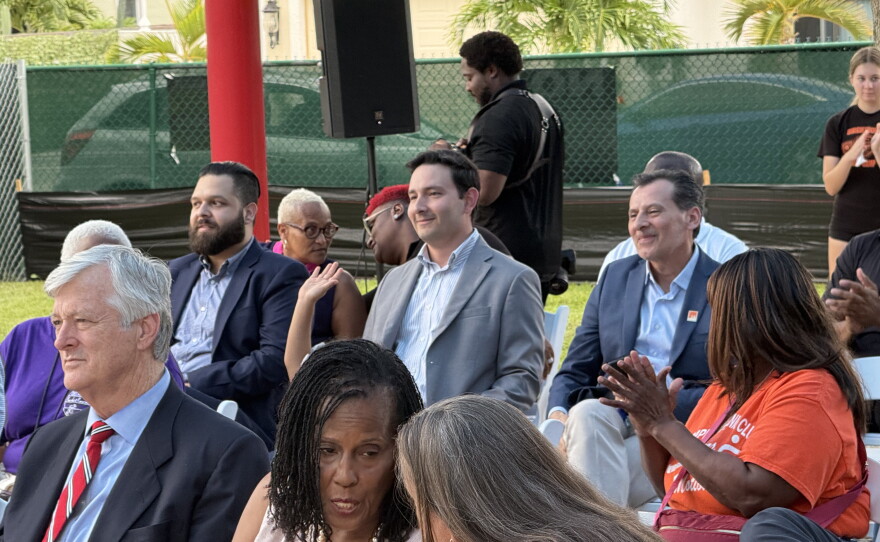
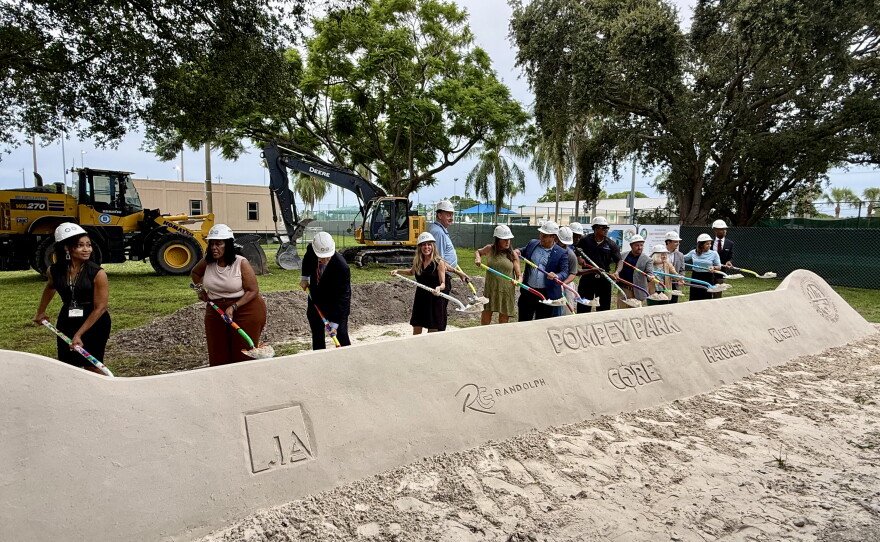
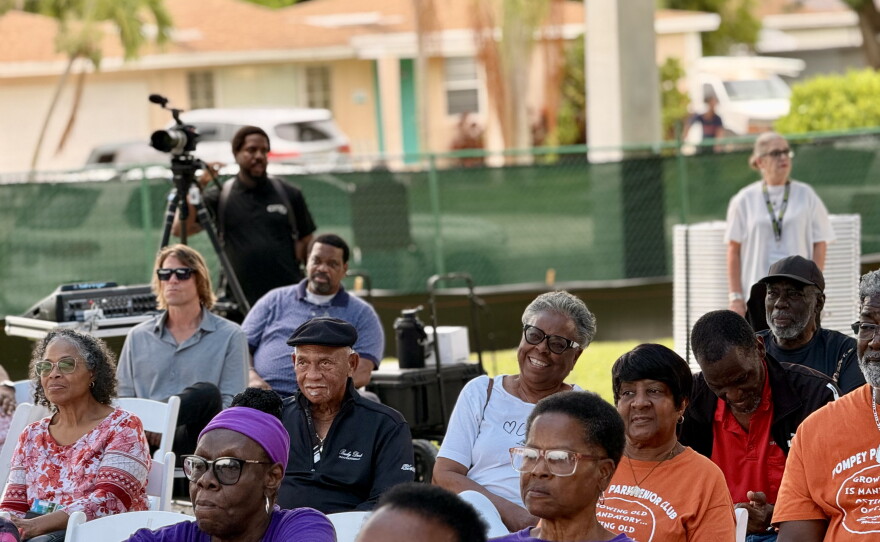
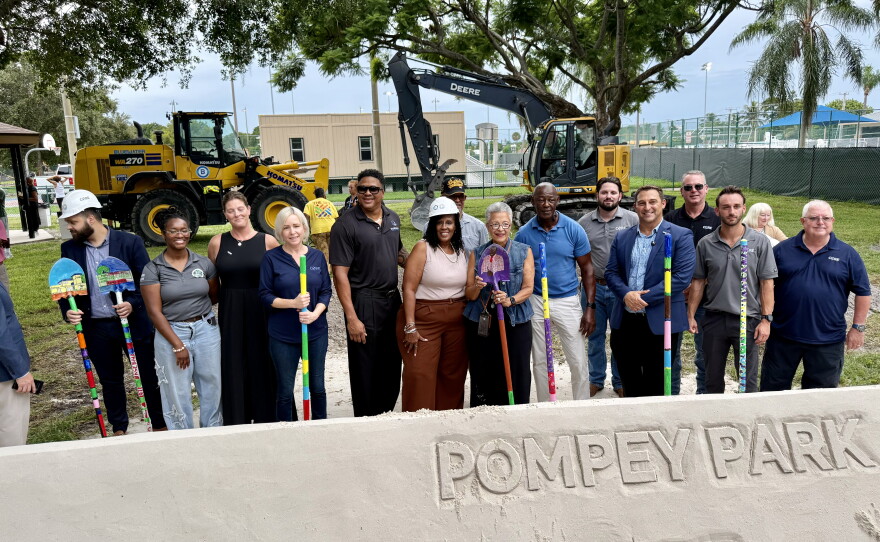
Roughly 100 long-time residents, Delray Beach commissioners, the city’s community redevelopment agency, and developers gathered together this month for the park's groundbreaking ceremony.
Pompey Park continues to serve as a place for recreation, community, and belonging — Pompey-Howard told WLRN.
She remembered the day her father said the park would be named after him.
“ When I went away to college, a couple years after I was over in Europe with my husband, 'because he was in the military, my father called and told me, 'they're building the park. They're building the park,' she recalled.
“And just to see what the park has done for the community and to know that for the next 50-plus years it will continue — I know he's smiling in heaven.”
The existing facility will stay open until the new recreation center is completed in 2028, according to city officials. The full park renovation is expected to wrap up in 2029.
READ MORE: President John F. Kennedy’s secret bunker in Palm Beach County could reopen

The legend behind the name
Charles Spencer Pompey, while serving as the inaugural president of the Palm Beach County Teachers Association (PBCTA) — a union organized by Black educators to fight institutional racism — helped deliver a landmark court win that helped close an unfair teacher pay gap.
In 1942, Pompey, working alongside NAACP attorney Thurgood Marshall, who was later named to the U.S. Supreme Court, helped win a federal equal pay lawsuit against the Palm Beach County School Board over a $25-per-month difference in salaries of White and Black teachers. He was one of three Black educators who actively spearheaded and pushed forward the class-action lawsuit.
He also was devoted to contributing to his Delray Beach community.
By 1950, he had established one of the city's first recreational programs for Black students — work that continues to shape the park’s mission today, offering swimming, racquetball, basketball, and baseball for all ages.
Pompey-Howard reflects on that legacy — she said the park had humble beginnings. The park traces its roots back to 1945 when it was established as the “Teen Town Center” to give youth a recreational place to socialize.
“ And the most interesting thing about it is that it was pretty much a trailer that they actually brought from FAU. It was part of the military, because Florida Atlantic University down in Boca was a military base, and my father worked with the athletic students around here,” Pompey-Howard confirmed.
FAU in Boca Raton was originally a WWII airbase. After the war, its surplus wood buildings and trailers were relocated to neighboring cities to serve as community centers, churches, and classrooms.
“They had nowhere to actually have any activities, and he came up with the idea and he got the city to approve that trailer being transferred from Florida Atlantic University to these grounds here,” she added.
And you'd walk on it and you could hear the wood. And we'd have our dances and our ping pong and a stage.”
New generation beyond the Jim Crow era
The 14-acre redevelopment zone will feature a 54,000-square-foot recreation center, two new pools, playground, and other improved amenities. The $59.2 million renovation is financed through a combination of municipal, redevelopment, and federal funds.
To pay for the rebuild, the City of Delray Beach and the Delray Beach CRA — under the leadership of Executive Director Renee Jadusigh — are tapping into city funds and local property tax revenues.
The city also contributed just over $5 million in Federal American Rescue Plan Act (ARPA) relief funds toward the project’s design and infrastructure.
The facility was designed by Justin Architects, with CORE Construction leading a build team that includes Randolph Construction Group, Hatcher Construction & Development, and KEITH & Associates.
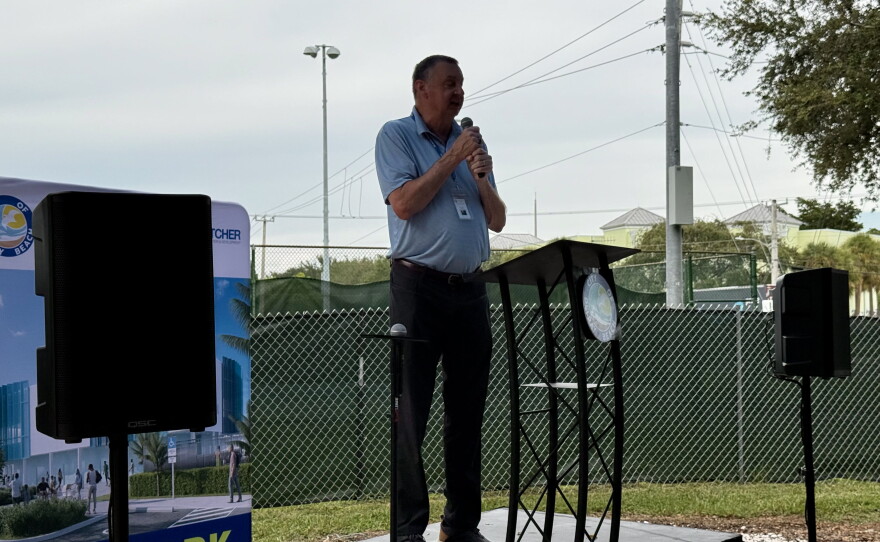
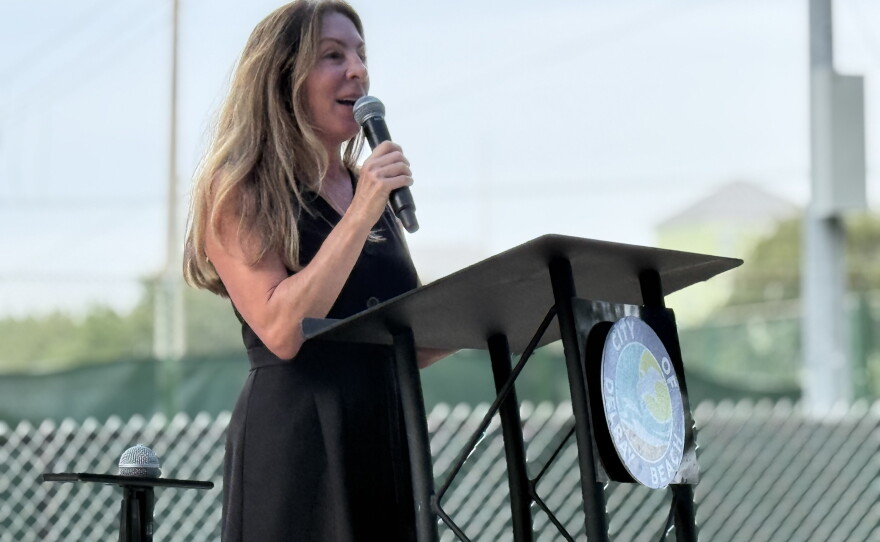
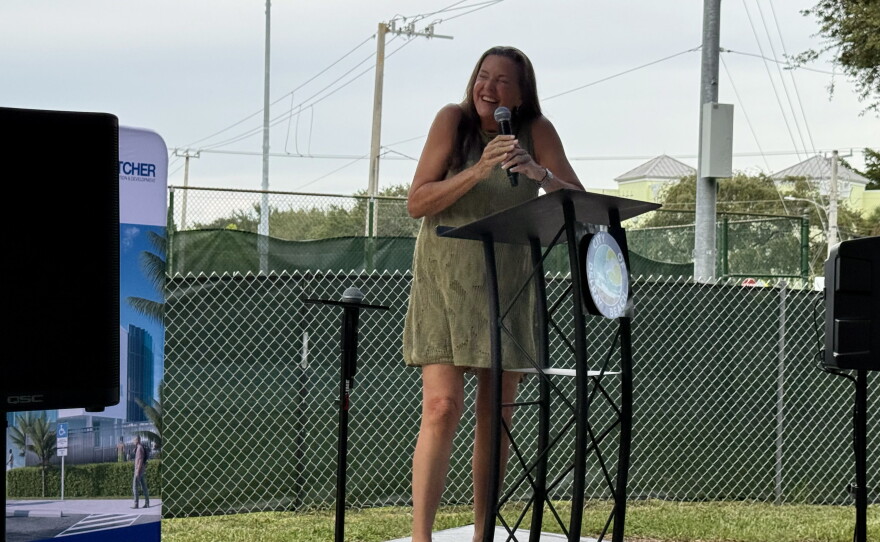
“What makes Pompey Park special has never been just this building or the pool or the baseball fields,” Delray Beach Commissioner Angela Burns told attendees at the ground-breaking ceremony.
“It has been the people. Pompey Park is the community, and none of it is being torn down. We are carrying all of that forward into the next chapter.”
Added Delray Beach Mayor Tom Carney: “ When we invest in our parks, we invest in our children, our families, our neighborhoods, and the health and well-being of our community.”
“Years from now, children will play here, families will gather here, and new memories will be created here," he said.

The goal is to keep the area’s deep civil rights history alive while creating a modern gathering place for future generations — a generation that fortunately “doesn’t know what it’s like to drink from a different water fountain,” Pompey-Howard told WLRN.
Charlene Farrington, executive director at Spady Cultural Heritage Museum, echoed the same sentiments. The museum preserves the Black history and heritage of Palm Beach County
“Our younger people, thankfully, have never really been told where they can't go in our community," she told WLRN. She said the new generation “don't have to deal with that. I'm grateful for that.”
An excerpt from "Colored Town", a documentary by the Spady Cultural Heritage Museum, features a recording of C. Spencer Pompey recognizing the city's progress following civil rights victories.
"No community or town has been as supportive of anti-racist relationship better than Delray," he said in a sit-down interview. "Now, we've had some snafus here — Ku Klux Klan — but the relationships have been fairly good."
Pompey-Howard said her parents shielded her from much of the overt racism that existed outside of their community.
“When I went out of the City of Delray to travel, because both of my parents were big travelers, we'd travel to Canada, to California, there was such a thing as a Green Book, and I can remember going to the bathroom in South Carolina, and to this day, I was 14 years old, and I can remember seeing the bathroom saying [sign] ‘colored and white,” Pompey-Howard recalled.
The "Green Book" was the name of the original Negro Motorist Guide that many African-Americans consulted when traveling in the South during the Jim Crow era.
“And I thought, ‘Oh my God." But even at 14 years old, I had no clue that it was that kind of segregation, because we didn't have that in South Florida in a sense, because our parents made sure that we stayed away from that,” she said.

Growing up, Pompey-Howard was accustomed to the Black community in Delray Beach being largely self-sufficient, making her encounters with overt racism rare, she said.
“ We had our own churches, our own legion halls, things like that, our own parks and activities. So there was segregation, and only when we did become integrated did you see little tidbits of it [racism],” she added.
“And then once you went to school, you came back on your side of the town, and you stayed on your side of the town. And there were only certain stores that you were just always told you went to that drugstore. You didn't go to this drugstore.”
Raised in North Florida, Charles Spencer Pompey moved to Delray Beach in the early 1940s, where he met his wife, Hattie Ruth Pompey, who was also an educator.
They were married for 52 years until his passing in 2001 at age 85. She passed away in 2009 at age 86. C. Spencer Pompey dedicated over 40 years to local schools, rising from a teacher and coach at the all-Black Carver High School to principal.
For his daughter, Pompey-Howard, he was just dad.
“I didn't realize — my life was just a kid, and I didn't realize until I was on an airplane when I was coming home from college, and I'd opened one of the magazines on Delta, and there was an article about all the things he had done,” she said.
“And just growing up in that environment, it was just part of my life because he just believed in the youth, he believed in his community, and he just became so involved, and took actions to make sure that those things happened in the community. So he was a special man.”
She said her father's childhood years gave him the passion to change things not just for his family but for his community.
“He actually saw a lynching because he grew up in North Florida,” she said. “He spoke very openly in the home about what he saw as a child — I think that was why he was so dedicated to integration and making sure that we got what we needed here in Delray.”


